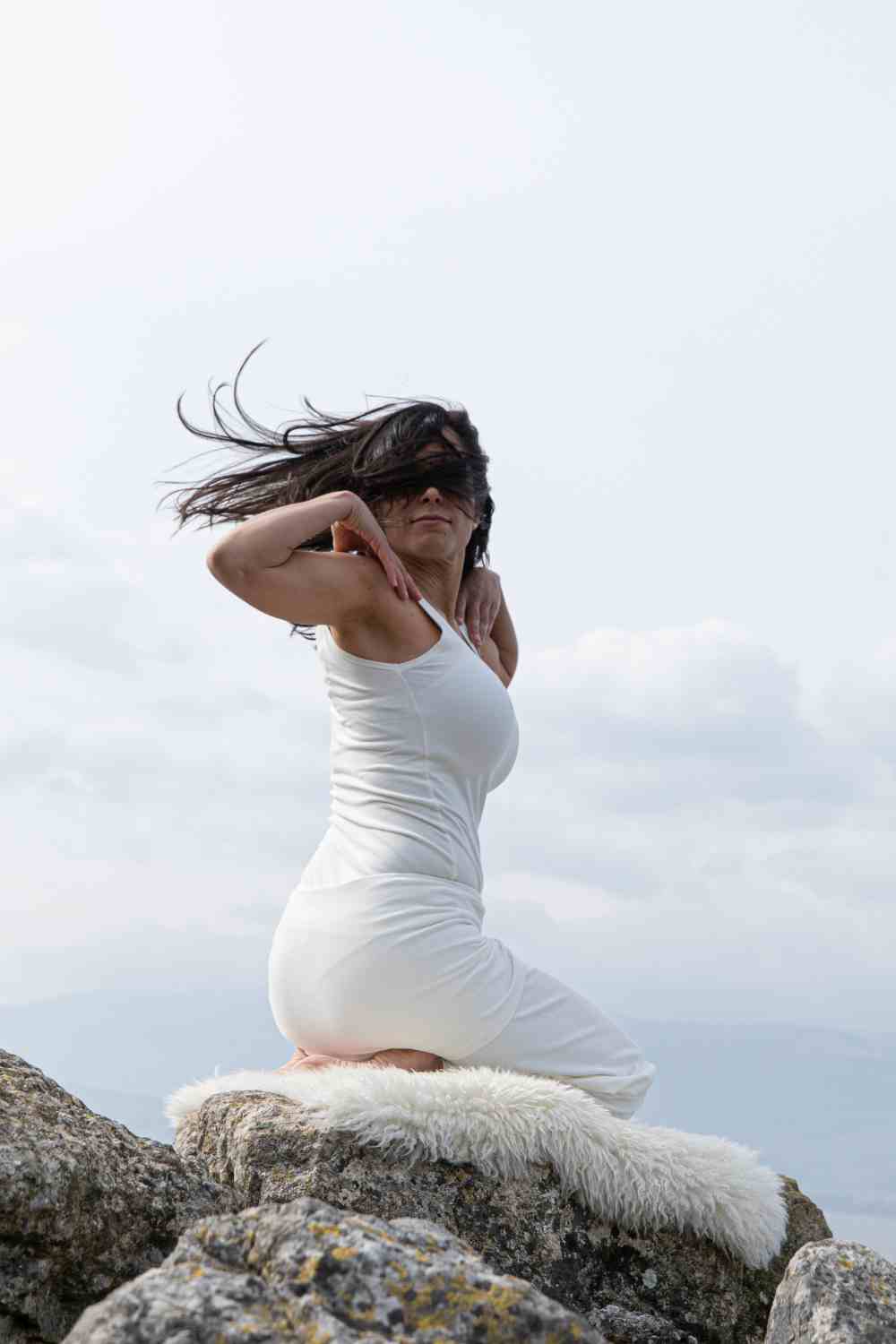

January light, low and pale. A cup of tea going cold beside you. Before the lists and resolutions, there is this: a few minutes of sitting still, listening to the breath come and go. Here are five simple ways to meditate and to begin the year with a quiet mind.
To start the new year in the best possible way, here are 5 types of meditation to practise. Choose the one that speaks to you most, or the one that fits most easily into your days.

What is meditation?
Meditation is the practice of focusing the mind, often on the breath, a mantra or another object of attention. It is usually practised to calm the mind, bring clarity and invite relaxation. You can meditate seated, lying down, walking, and even during everyday activities. Patañjali defines yoga itself as the stilling of the movements of the mind (yogaś citta-vṛtti-nirodhaḥ, Yoga Sūtra 1.2): meditation is the most direct way to taste it.
The benefits of meditation
Less stress. Meditation calms the mind and invites relaxation, which helps reduce the feeling of stress.
More focus and concentration. Regular practice trains attention and makes it easier to stay with one task.
Emotional balance. Meditation helps cultivate kindness and self-awareness.
Support for the body. Research suggests that regular meditation can support better sleep and help some people manage stress-related tension and pain. It complements, but never replaces, medical care.
Calm and clarity. A quieter mind meets challenges and difficult situations with a clearer head.
5 types of meditation to start the year
Seated meditation. The classic practice: find a comfortable seated position, close your eyes and focus on your breath. You can also repeat a mantra, a word or a phrase, silently, to keep the mind from drifting. When your attention wanders, gently bring it back to the breath or the mantra. For a deeper look at breathing, read our guide to pranayama for daily well-being.
Body scan meditation. Lying down or sitting comfortably, move your attention through each part of the body, from the top of the head down to the toes. As you rest on each area, let any tension soften. This practice brings you back into the present and into your physical sensations.
Loving-kindness meditation. Silently repeat phrases of goodwill, first to yourself: may I be happy, may I be healthy, may I be at peace. Then extend them to loved ones, to acquaintances, to people you find difficult, and finally to all beings. This practice gently opens the heart to compassion, towards yourself and others.
Walking meditation. Walk slowly, indoors or outdoors, paying attention to your breath and to each step: the heel touching the ground, the weight shifting, the foot lifting again. Walking meditation brings you into the present and into contact with your surroundings.
Nature meditation. Find a quiet spot outside and take a few deep breaths to settle. Then turn your attention to what surrounds you: the light, the sounds, the smell of the earth, the air on your skin. This practice helps you feel connected to the earth and brings a deep sense of peace.


How long should you meditate?
The length of a session depends on your goals and the time you have. Some people prefer short sessions of 5 to 10 minutes, others find longer sessions of 20 to 30 minutes more nourishing. There is no single right length: what matters is finding a duration you can keep up regularly.
It is generally best to start with short sessions and lengthen them as the practice becomes familiar. Listen to your needs: on tired or stressful days, keep it short; on clear, energetic days, you may want to stay longer.
Above all, find a meditation you enjoy. That is what makes you come back to it, day after day, and lets the benefits grow over time. If you like slow, still practices, you may also enjoy Yin Yoga.

Frequently asked questions
What is the easiest meditation for beginners?
Seated breath meditation or a body scan. Start with 5 minutes a day, at the same time, and simply count your breaths from one to ten, then start again.
Is it normal for thoughts to keep coming?
Yes, completely. Meditation is not about stopping thoughts but about noticing them and coming back, again and again. Each return is the practice.
What should I wear to meditate?
Soft, loose clothes in natural fibres, with nothing tight at the waist, and a warm layer: the body cools down when it is still.
Sit. Breathe. Let the year begin from the inside.