
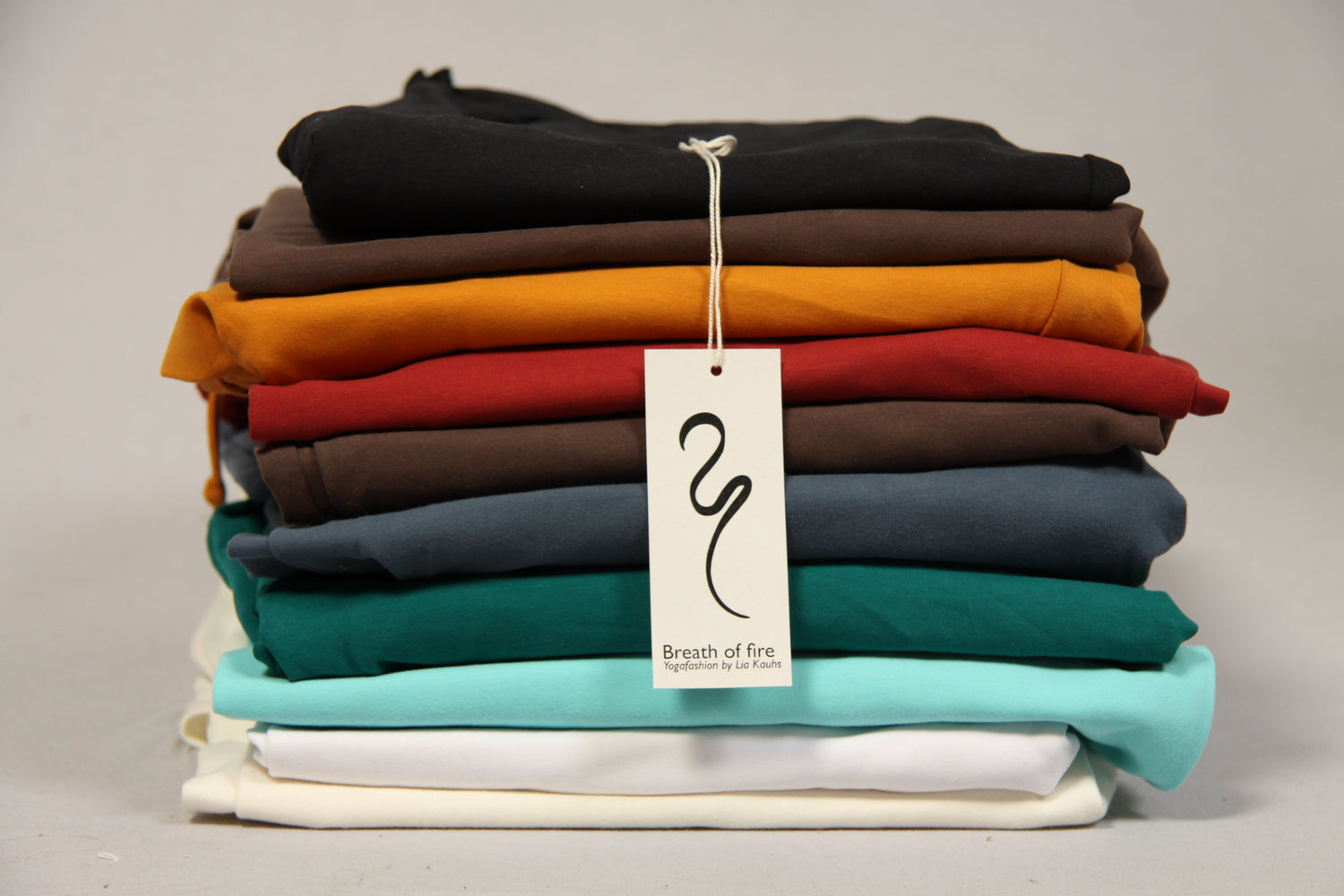
Sustainable clothing is a hot topic in the fashion industry these days, as more and more people are becoming aware of the environmental impact of the clothing they wear. There are several different types of sustainable fabrics that are commonly used in garments, including natural fibers and recycled plastic fabrics. In this article, we will explore the pros and cons of these two types of sustainable fabrics to help you make an informed decision about which is the best choice for you.
Natural fibers are materials that are derived from plants or animals, and include fabrics such as cotton, wool, silk, and linen. These fibers are considered to be more environmentally friendly than synthetic fibers because they are biodegradable and can be produced with fewer harmful chemicals.
Pros of natural fibers:
- Biodegradable: Natural fibers will break down over time, which means they won't contribute to landfill waste.
- Renewable: Natural fibers can be replenished relatively quickly, compared to synthetic fibers which are made from non-renewable resources such as oil.
- Durable: Some natural fibers, such as wool and linen, are known for their durability and can last for many years with proper care.
- Comfortable: Many people find natural fibers to be more comfortable to wear, as they tend to be breathable and have a softer feel than synthetic fibers.
Cons of natural fibers:
- More expensive: Natural fibers can be more expensive to produce than synthetic fibers, which means garments made from these materials may be more expensive to purchase.
- Sensitive to stains: Some natural fibers, such as wool and silk, are more sensitive to stains and can be more difficult to clean.
- Requires more care: Natural fibers can be prone to shrinking or losing shape if not cared for properly, so they may require more attention when it comes to washing and storing.
Recycled plastic fabrics are materials that are made from recycled plastic bottles or other plastic waste. These fabrics are created using a process called "upcycling," which takes discarded plastic and turns it into a new, usable material.
Pros of recycled plastic fabrics:
- Reduces waste: Using recycled plastic fabrics helps to reduce the amount of plastic waste that ends up in landfills or the ocean.
- Durable: Recycled plastic fabrics are known for their durability and can last for many years with proper care.
- Water-resistant: Some recycled plastic fabrics are water-resistant, which makes them a good choice for outdoor clothing or for use in damp environments.
Cons of recycled plastic fabrics:
- Synthetic: Recycled plastic fabrics are made from synthetic materials, which means they are not biodegradable and can take hundreds of years to break down in the environment.
- Requires energy to produce: Recycling plastic requires energy, which means that the production of recycled plastic fabrics has a carbon footprint.
- Limited options: While the number of recycled plastic fabric options is increasing, there are still fewer options available compared to natural fibers.
In conclusion, both natural fibers and recycled plastic fabrics have their pros and cons when it comes to sustainability. Natural fibers are biodegradable and renewable, but they can be more expensive and require more care. Recycled plastic fabrics help to reduce waste, but they are made from synthetic materials and require energy to produce. Ultimately, the best choice for you will depend on your personal preferences and priorities.